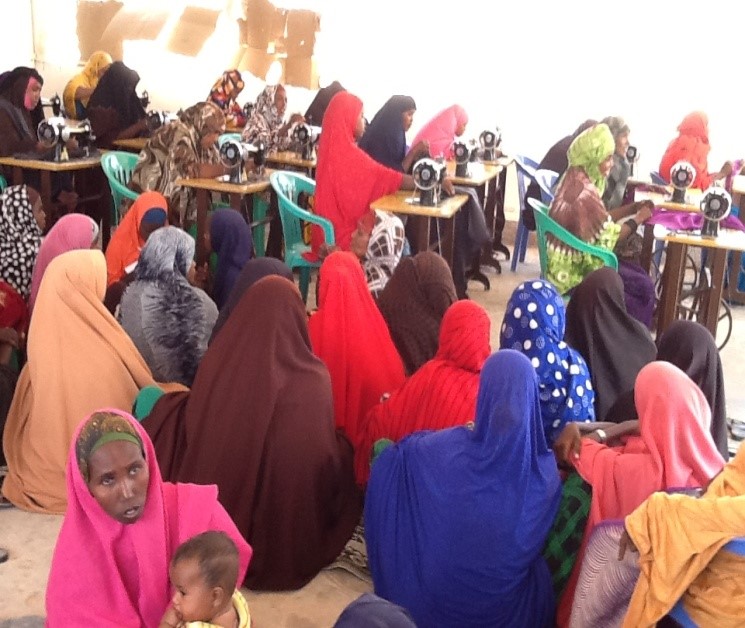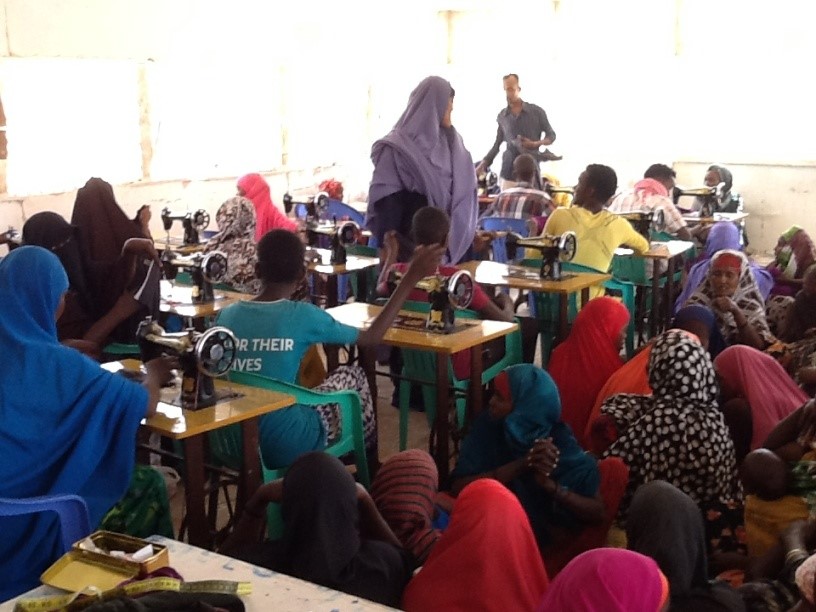
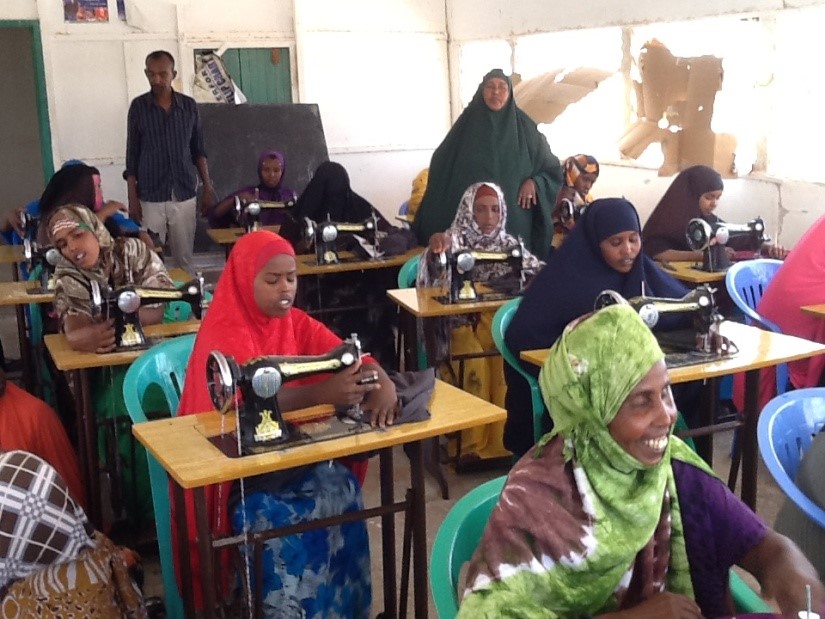
The Somali Women and Youth Concern (SWYC), formerly Skills for Youth Center, is actively working to transform the lives of vulnerable populations in Puntland. Our project, “Improving Livelihood for Galkayo Urban Internally Displaced Person and Host Communities,” running from February to July 2015, has successfully equipped 175 beneficiaries with market-ready vocational skills.
Project Scope and Impact
The project targeted vulnerable IDPs and poor host communities in Galkayo, Puntland. The majority of the 175 beneficiaries were women (156 women and 19 men). The vocational trainings were conducted right within the Halabokad IDP settlement, which significantly increased participant engagement and appreciation for the program.
Skills Training Breakdown
The training was divided into four practical and in-demand skills:
- Tailoring: This was a popular skill, though initial progress was slowed because some beneficiaries were very old or had young children, requiring a step-by-step teaching approach. Ultimately, 109 individuals completed the training. Trainees learned about sewing tools and equipment, measuring tools, and different cutting tools.
- Cooking (Cookery): The cooking curriculum covered 12 lessons, including kitchen administration, sections of Mucajanaadka, and recipes like Pizza, Bajiye, and Rice. 25 beneficiaries were trained in this skill. A key challenge for the cooking training was the lack of electricity in Halabokad.
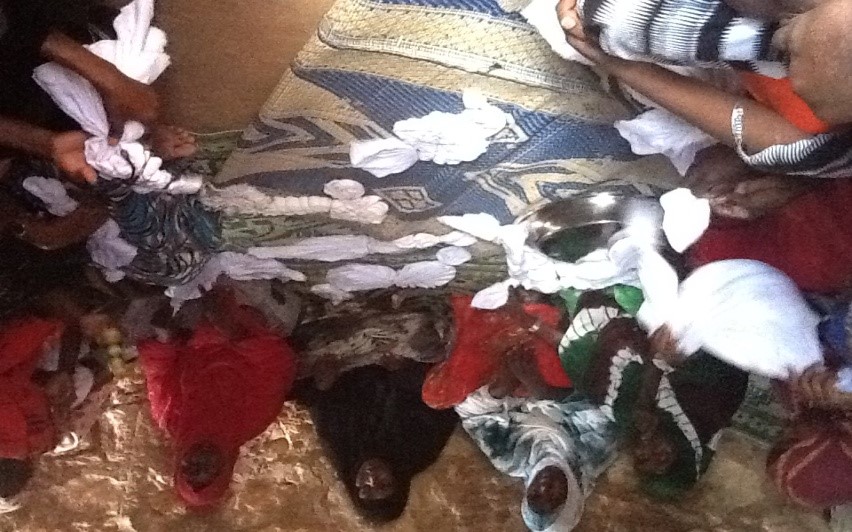
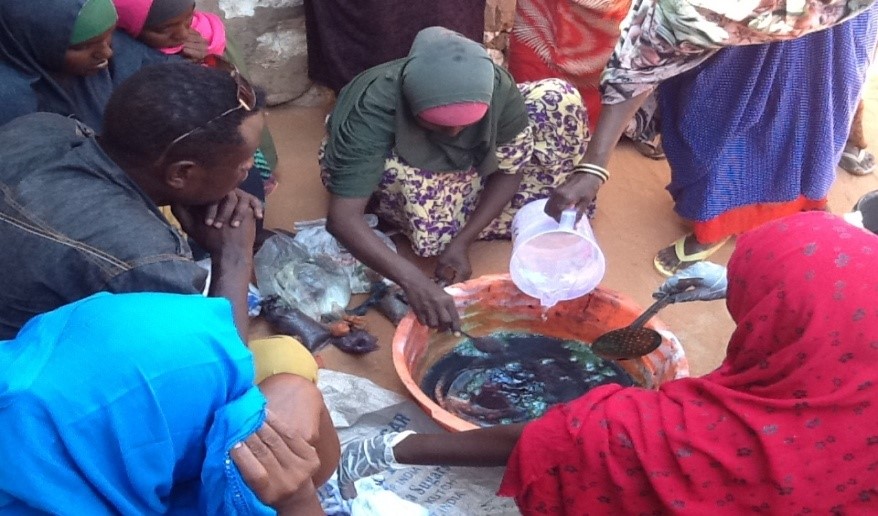
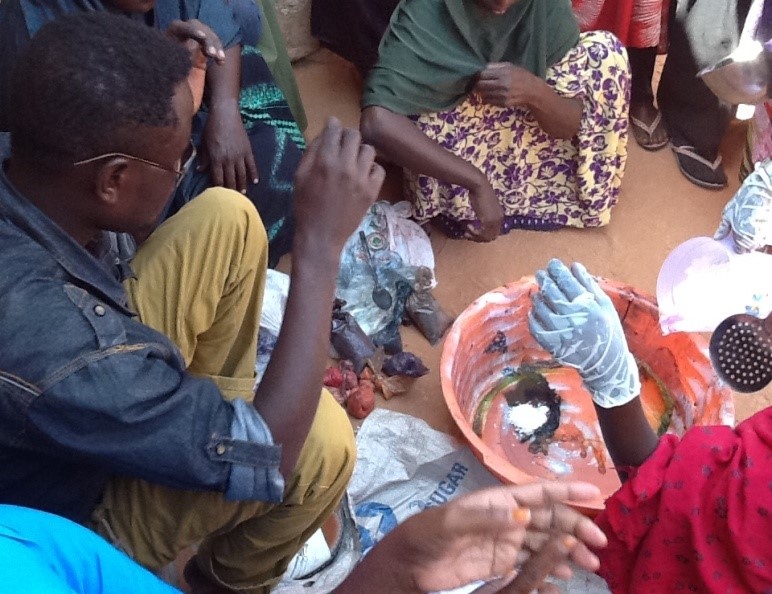
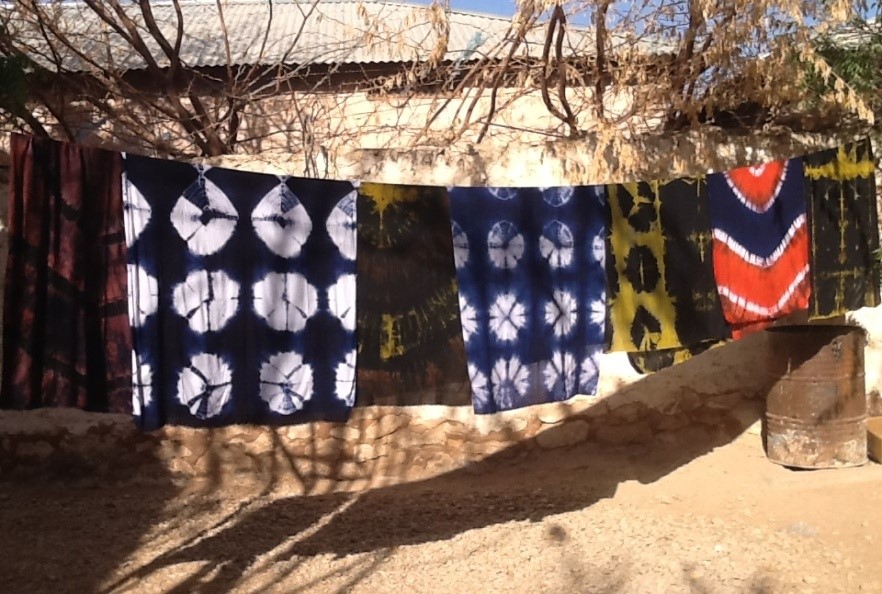
- Tie & Dye: All 8 planned lessons, which included introducing paints, learning about the side effects of chemicals, pinning clothes, and modern designs, were completed successfully. 13 individuals were trained in this skill.
- Beautification (Beauty Salon): This course covered 14 planned lessons smoothly, with most students quickly learning to do henna painting well. 28 beneficiaries completed this training.
Beyond the Classroom
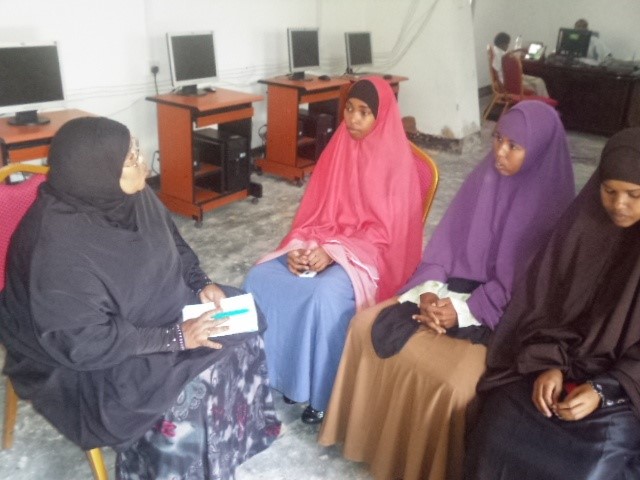
While the training was overwhelmingly positive, certain challenges were identified. Many students lacked literacy skills, making non-practical, theoretical sessions difficult. SWYC’s proposed solution was to advocate for these beneficiaries to attend free education programs provided by the Ministry of Education. Furthermore, a significant challenge was that beneficiaries, who depended on their daily wages, expected a monthly fee, leading them to claim “daily bread.” This issue necessitated advocacy for food distribution during the training to ensure they could learn without worry.
The successful completion of the training phase marks an essential step in enabling self-reliance and stability for these vulnerable communities.