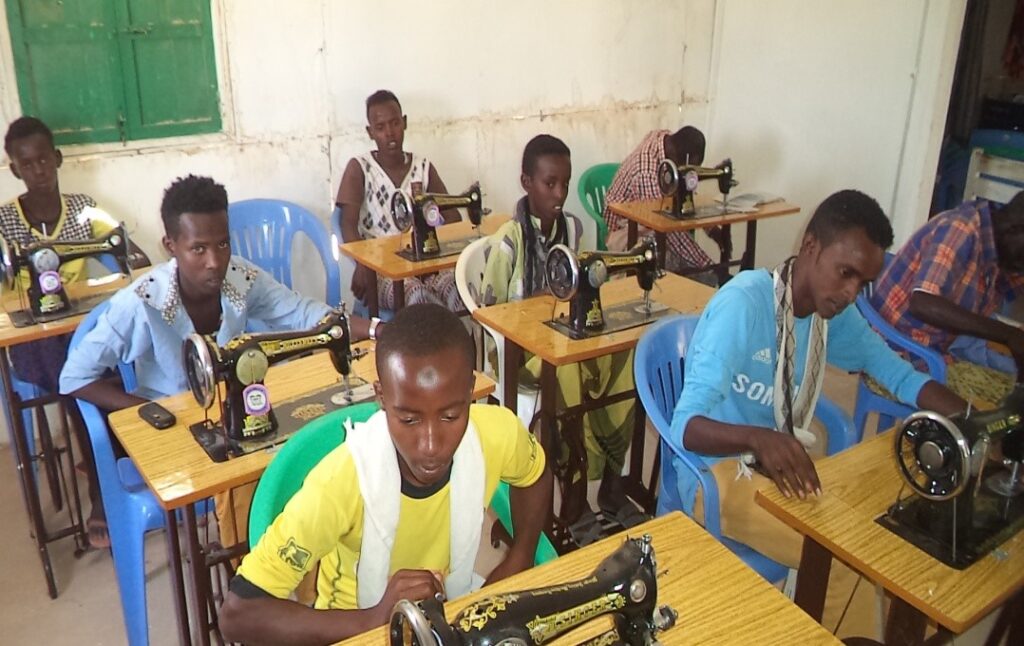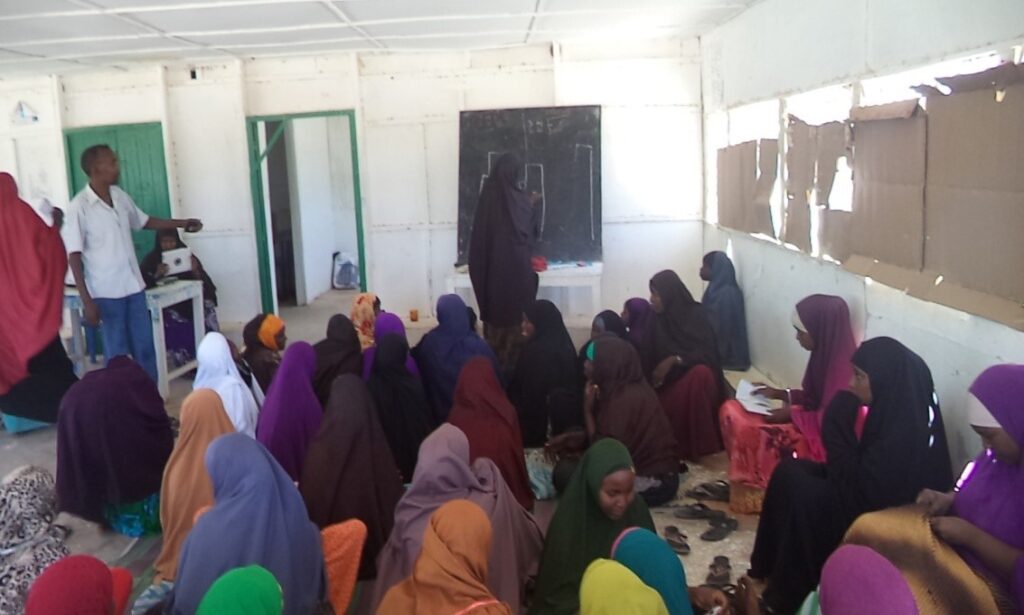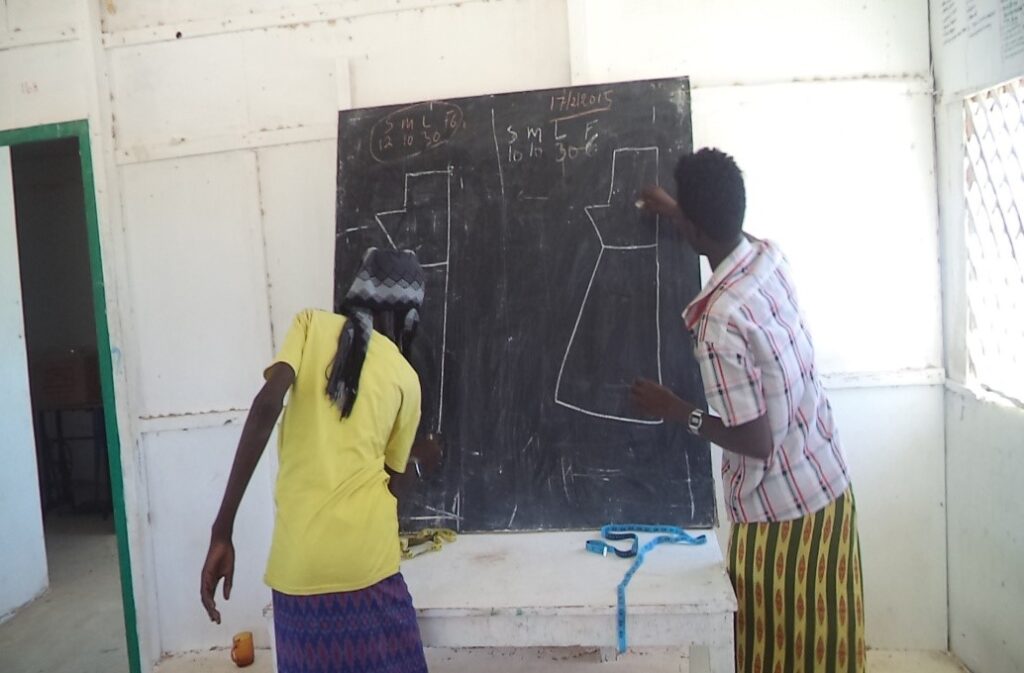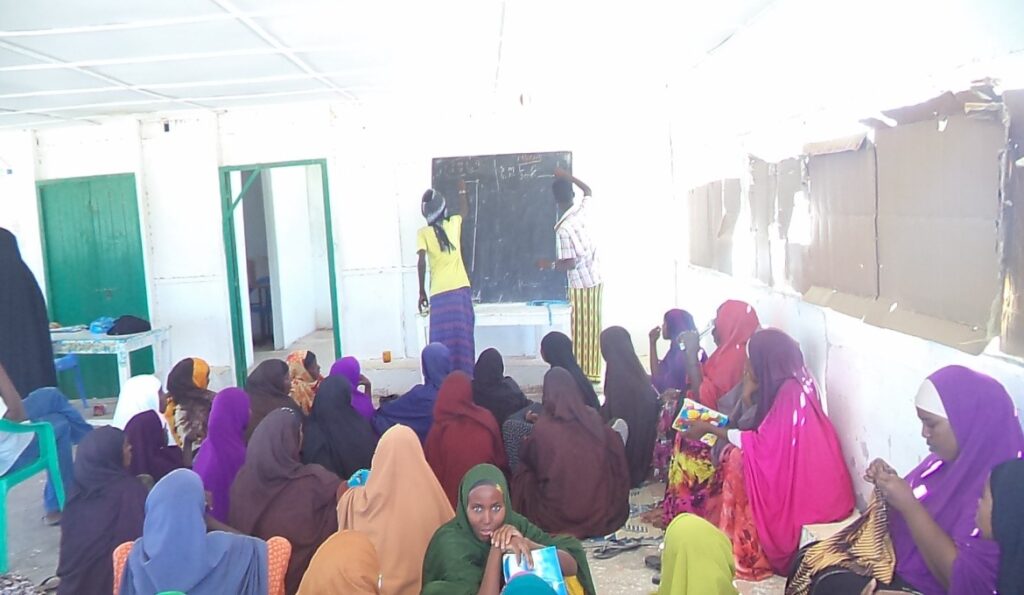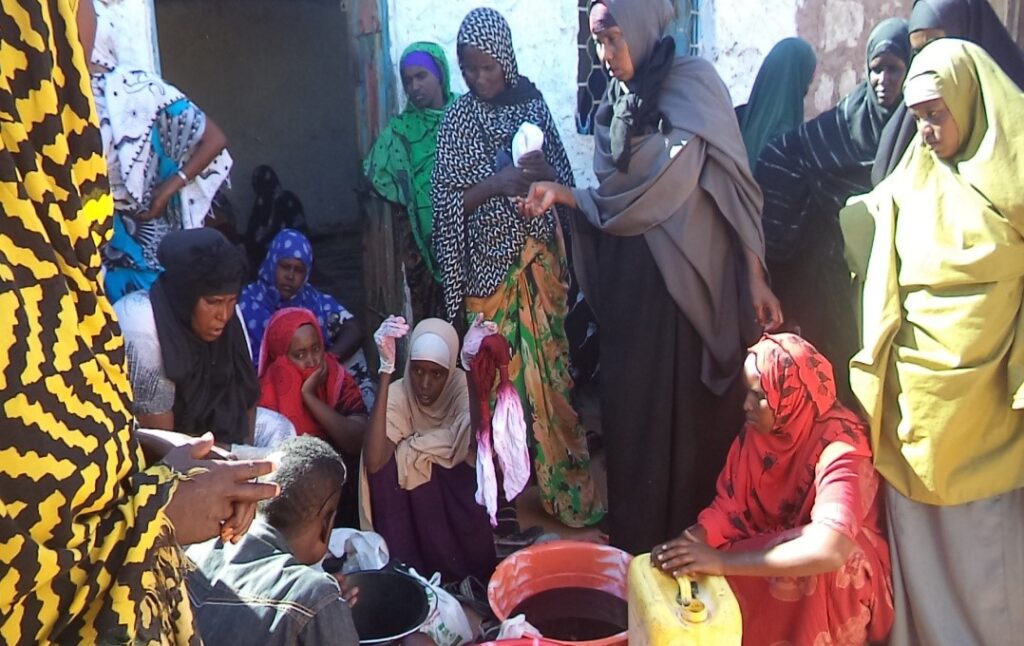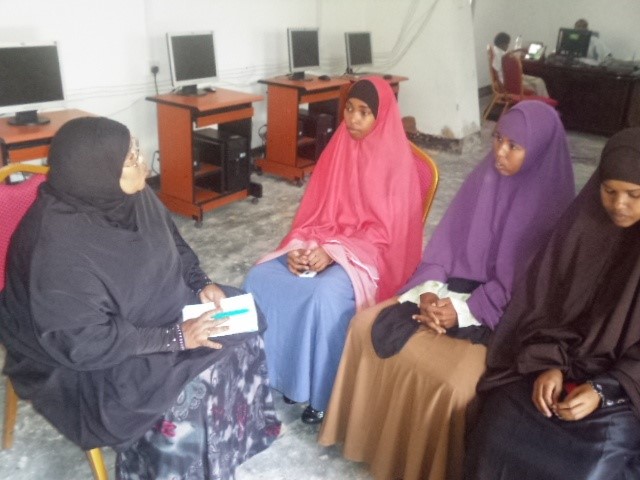

The year’s activities at Somali Women and Youth Concern (SWYC), formerly Skills for Youth Center, have demonstrated the strength of dedicated partnerships and community engagement in achieving development goals. Our Director, Mrs. Shukri Jama Hashi, affirmed that effective Local Non-Governmental Organizations (LNGOs) must identify problems, utilize their and their community’s strengths, and mobilize the skills of the people they serve.
A Strong Network of Partners
SWYC attributes its success to the strong and consistent support of its partners. Key collaborators mentioned in our reports include:
- Norwegian Refugee Council (NRC): Funder for the “Improving Livelihood for Urban Internally Displaced Persons (IDPs) and Host Communities” project, reaching 175 beneficiaries.
- Danish Refugee Council (DRC): Supported the “Integrated Emergency Response in Somalia: Vocational Skills Training for GBV survivors” project, reaching 46 beneficiaries.
- Gruppo per Relations Transculturali (GRT) / CHF: Partnered on the project, “Strengthening local, improving the quality of Comprehensive Protection services for GBV Survivors & Vulnerable Children,” reaching 50 beneficiaries.
- Forum of African Women Educationalists- Somalia Chapter (FAWESOM): Supported the project on economic empowerment, psycho-social counseling, and women’s political participation, reaching 240 beneficiaries.
- Ministry of Women Development and Family Affairs (MOWDAFA): Collaborated on the community awareness program against GBV/FGM, reaching 150 female beneficiaries.
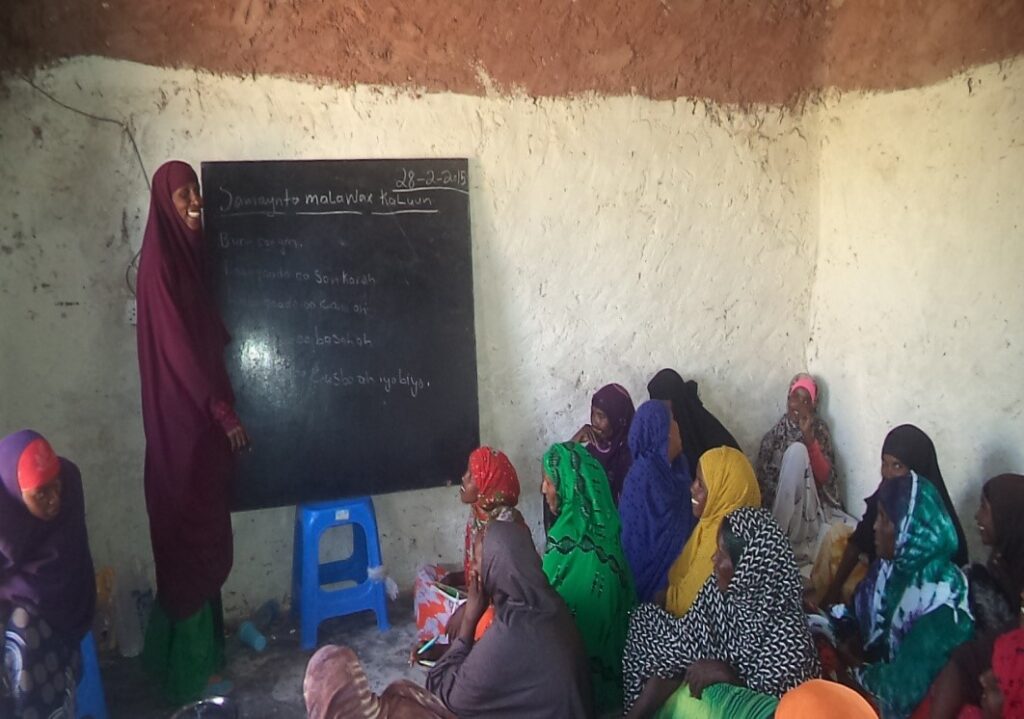
- American Education Trust: Supported the Non-Formal Education project, which reached 200 female beneficiaries.
- ADRA: Supported the Women’s Political Participation Training Workshop.
Lessons and Challenges for the Road Ahead
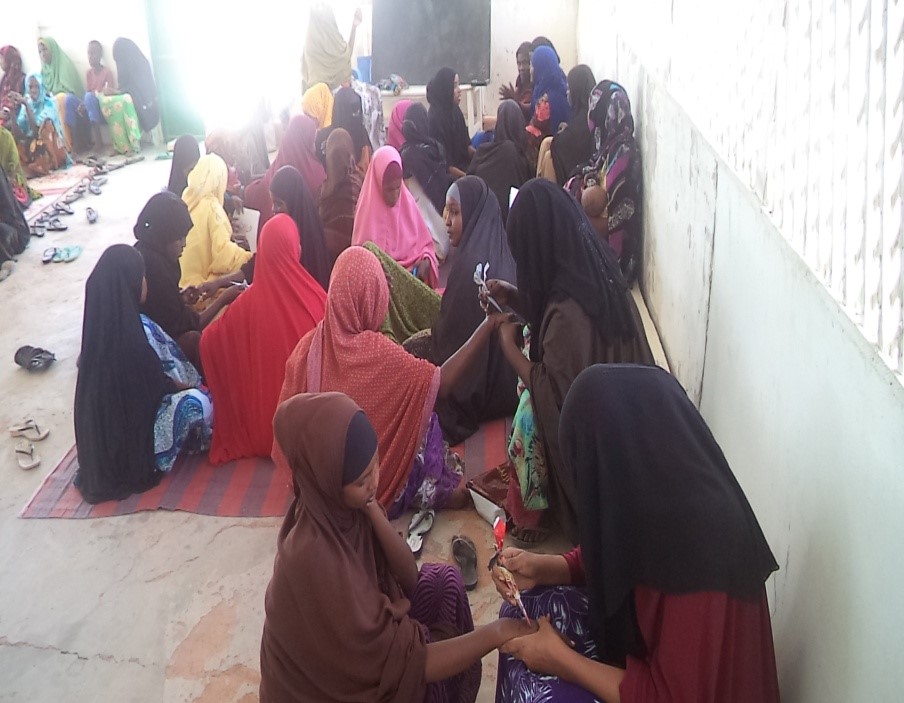
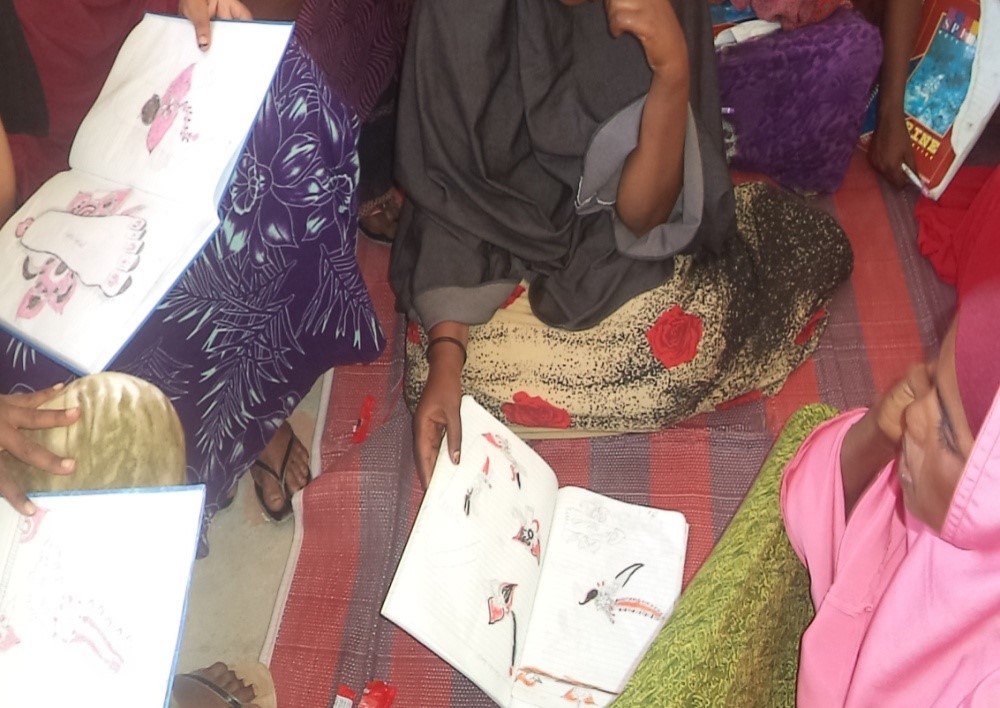
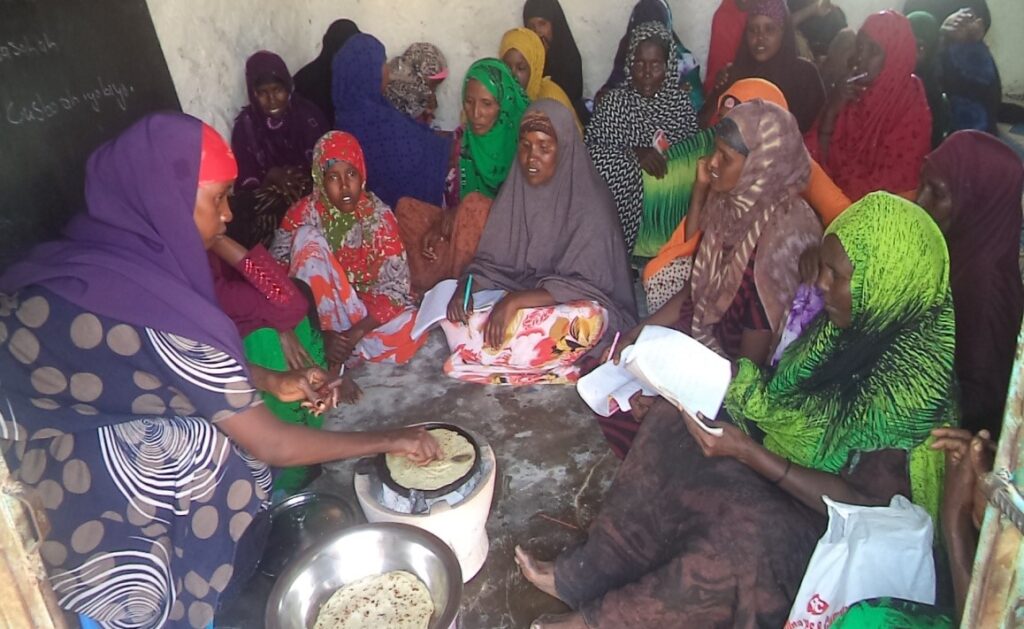
During the implementation of vocational skills training, a key lesson learned was that practical sessions were more engaging for students than theory. Community consultations, like the monthly “community conversations,” proved effective in identifying social problems and helping the community better plan their capacity to deal with local issues.
However, the organization acknowledges facing several challenges, the most significant of which are financial constraints that have hindered progress at a critical juncture. Other operational issues included:
- Dealing with the high expectations of beneficiaries who expected monthly stipends (a challenge addressed by other NGOs).
- Addressing beneficiaries who would arrive late and claim their “daily bread” because they were dependent on their wages.
- The high illiteracy rate among students, making theoretical instruction difficult.
- The lack of electricity in the Halabokad settlement for some vocational activities, such as cooking.
Despite these hurdles, the Director affirms a commitment to striving on in a dignified and committed manner, extending a call to action for new partners to contribute to this noble cause. The successes in economic empowerment, leadership development, and protection lay a strong foundation for a brighter, more prosperous future for Somali women and youth.